Does anyone else feel like their hands aged ten years the second the furnace kicked on this November? One day you’re rocking a cute manicure, and the next, your cuticles look like they’ve been wandering the Sahara without a map.
When that dry, indoor heat starts sucking the life out of everything, our nails are often the first to show it. They get brittle, the skin around them starts to crack—which hurts like crazy, by the way—and suddenly you’re snagging your sweaters.
Here is how to fight back and keep those hands looking human until spring.
The Winter Hand Care Protocol
- Seal in the Moisture (The Damp Rule): Never apply lotion or oil to bone-dry hands. After you wash your hands, pat them mostly dry, but leave them slightly damp. Then, immediately apply your moisturizer. It traps that water on the skin instead of letting it evaporate into the dry living room air.
- Be a Dishwashing Diva: I know, I know—wearing rubber gloves to wash one mug feels extra. But hot water and harsh dish soap are absolute kryptonite for your nail beds. Wear the gloves. Your cuticles will thank you.
- The “Socks for Hands” Trick: If your hands are already starting to crack, apply a thick layer of balm at night and put on clean cotton gloves before bed. It’s a bit of a look, sure, but you’ll wake up with hands that actually feel like silk.
- Stop the Snagging: Keep a glass nail file handy. Emery boards can sometimes cause tiny tears in brittle winter nails, but glass files seal the edge of the nail as you go, preventing those annoying winter peels.
To Trim or Not to Trim? (The Golden Rules of Cutting)
When the air gets dry, our first instinct is to grab the nippers and start hacking away at anything that looks “dead.” DON’T DO IT! Your cuticles are actually the seal that protects your new nail growth from bacteria. If you cut the living tissue, your body panics and grows it back thicker and harder. It’s a vicious cycle.
- The Cuticle Rule: Never, ever cut the actual cuticle (the thin, translucent skin that attaches to the nail plate). Instead, apply nail oil to soften the area, then gently—I mean gently—push them back with a soft rubber pusher or a damp washcloth.
- The Hangnail Exception: The only time you should reach for the nippers is for a true hangnail—that loose bit of skin that’s already detached and just waiting to snag on your favorite wool sweater. Cut only the dead, white bit of skin at the base. Don’t pull! Pulling is how we end up in “Band-Aid territory.”
- Clip with Care: When cutting the nails themselves, try to do it right after a shower when they are soft and pliable. Use several small clips across the nail rather than one giant “crunch” in the middle, which can cause the nail to shatter or peel.
- Shape Matters: Leave a little bit of the “white” showing. Cutting them too short in the winter makes the tips of your fingers more sensitive to the cold and increases the chance of painful cracks at the corners.
Feed Your Nails With a Quality Nail Oil
Most lotions are great for the skin, but they don’t always penetrate the nail plate or the deep crevices of the cuticle where the real “ouchies” happen. That’s why I’m a huge advocate for targeted oils.
This is what I suggest for an effective nail oil – base of argan oil and then a 1:10 ratio of Tea Tree, Lemon, and Lavender essential oils.
- Lemon Essential Oil: If your nails are looking a bit yellow or dull (common if you use dark polish or just from general winter staleness), lemon helps restore their natural luster and brightness. It’s known to help reinforce the nail structure, making them less prone to peeling. Plus, it just smells like a sunny day, which we all need in the middle of January!
- Tea Tree Essential Oil: Winter skin cracks aren’t just painful; they’re an open door for germs. Tea tree is a heavy hitter when it comes to being antifungal and antibacterial. It helps keep the nail bed clean and prevents those tiny cracks from getting irritated or infected.
- Lavender Essential Oil: If your cuticles are red, angry, or inflamed from the dry air, lavender steps in to soothe the situation. It helps deeply hydrate the skin around the nail and calms inflammation. Because it improves circulation and keeps the nail bed healthy and stress-free, it indirectly encourages faster, healthier nail growth.
Why the 1:10 Ratio Matters
Using these at a one to ten ratio with Argan oil is the “Goldilocks” zone. Essential oils are incredibly potent—using them neat (undiluted) can actually irritate the skin, especially when it’s already compromised by winter weather. By diluting them in Argan oil, you’re ensuring the essential oils are carried deep into the tissue safely, while the Argan oil provides that fatty-acid “hug” your skin is craving.
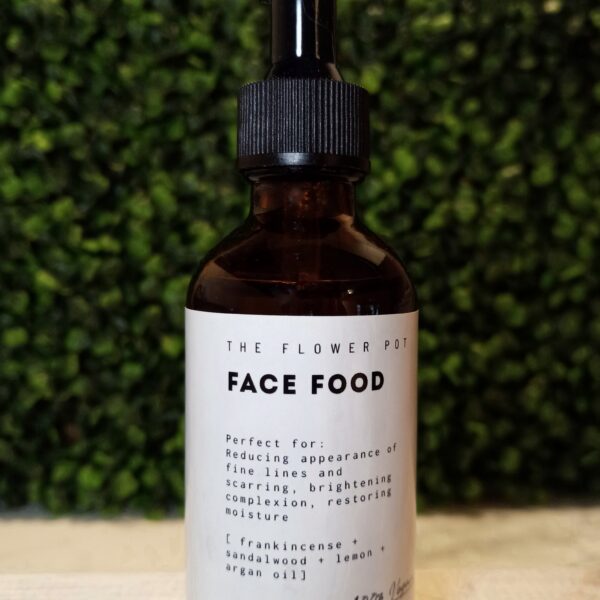
If you’re tired of the winter “cragginess,” you can find it right here: Nail Food at Flowerpot Holistic.
Join Our Mailing List!
Sign up and be the first to know about specials, promotions and our latest articles on health and wellness.

Cara Schulz
Cara Schulz, a cancer survivor and green tea lover, has opened The Flower Pot, a holistic wellness shop in Burnsville that offers products ranging from medicinal teas and wellness tonics and herbal tinctures.
Browse Our Best Selling Products!